• 26th Summer School in Social Science Methods, Lugano 2022

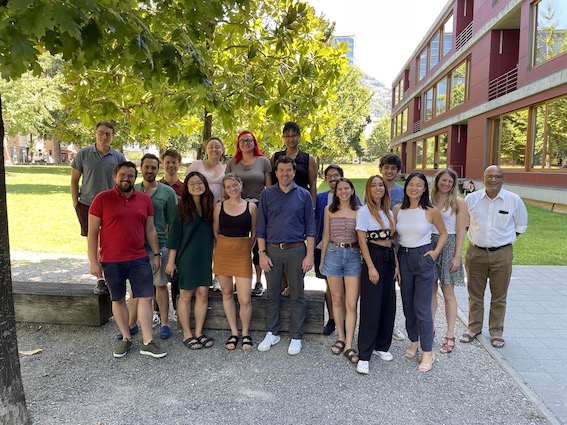
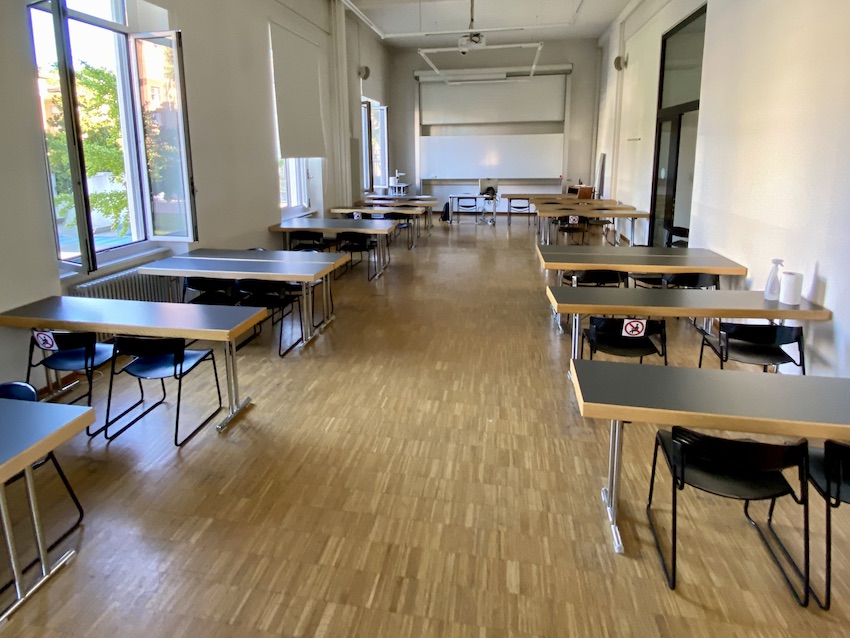
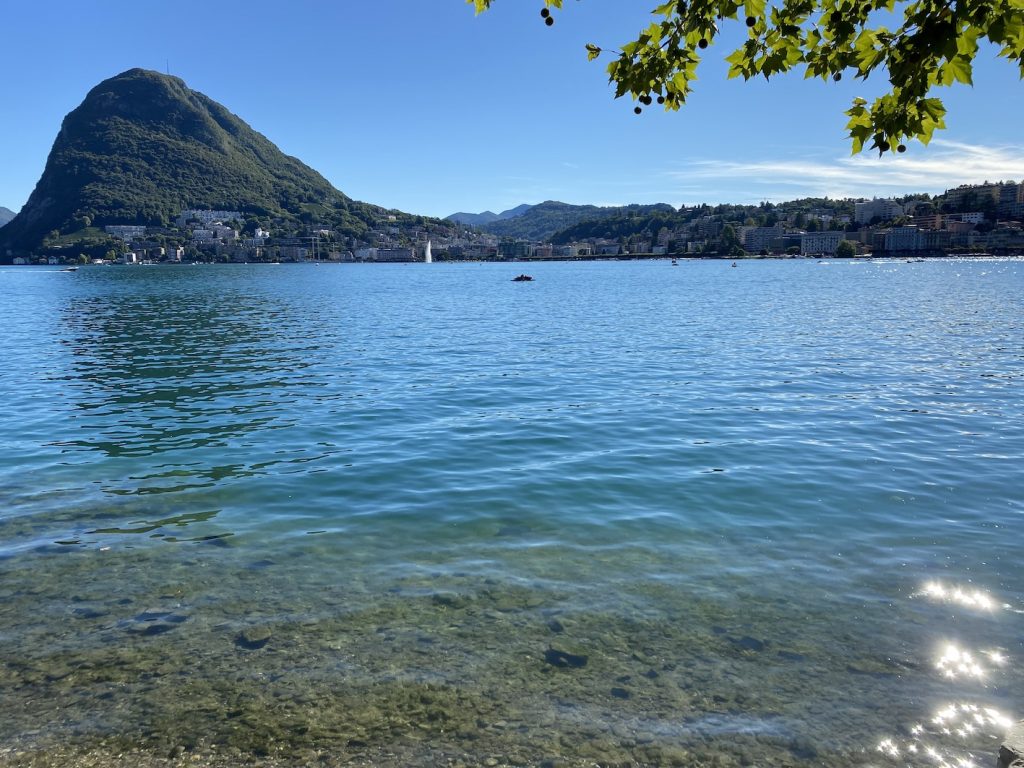
    From August 22-28, 2022 I taught at the 26th Summer School in Social Science Methods, organized by the Swiss Foundation for Social Science (FORS) and the Università della Svizzera Italiana (USI). The summer school is hosted at USI in beautiful Lugano, Switzerland. This was the fourth time I offered a one-week intensive course on Qualitative Comparative Analysis (QCA) at the Summer School in Lugano (after 2016, 2019, and 2021). This year, the course was offered as full-day in-presence workshop, with 18 participants hailing from 11 countries. The course was based on my QCA textbook Qualitative Comparative Analysis: An Introduction to Research Design and Application, published with Georgetown University Press (2021, Publisher’s Website). Many thanks to all course participants for an intensive and fun week with QCA! And thanks to School Coordinator Janice Casarella and the School Directors Benedetto Lepori, Eugène Horber, and Patrick Gagliardini for the excellent and smooth organization!

  • Open Access Article Published in Global Studies Quarterly

    The July 2022 edition of ISA’s new open access journal Global Studies Quarterly features our article “When Do International Organizations Engage in Agency Slack? A Qualitative Comparative Analysis of United Nations Institutions” (with Eugénia Heldt, Anna Novoselova, and Omar Ramon Serrano Oswald). The article is based on research from our German Research Foundation project on “International Bureaucracies and Agency Slack” under DFG project number 370183851. Our study examines 16 UN organizations and the organizational characteristics under which agency slack occurs at these IOs, based on a qualitative coding of primary documents from the UN Joint Inspection Unit.

    Abstract: The extensive delegation of power to international organizations (IOs) has been accompanied by occasional agency slack. While prior studies suggest that IOs’ propensity for agency slack may be rooted in their organizational characteristics, this has rarely been explored empirically. To address this lacuna, in this article we propose a conceptualization and measurement of agency slack and develop a framework of organizational characteristics. Our empirical analysis applies qualitative comparative analysis to assess the conditions under which agency slack occurs across sixteen United Nations institutions. We complement the cross-case analysis with two case illustrations. Our results document the empirical existence of two paths to agency slack, providing confirmatory evidence for our theoretical expectations. Path 1 combines staffing rules that are favorable for the agent with wide access to third parties. Path 2 entails the combination of favorable staffing rules with extensive delegation of authority and a vague organizational mandate.

  • Incentives and Constraints – Corrigendum

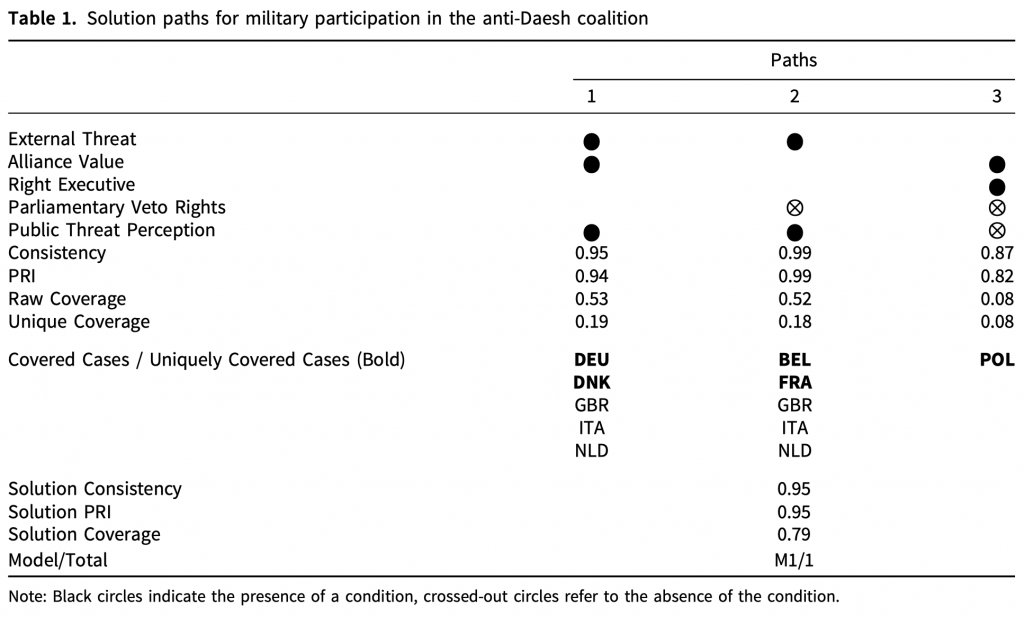
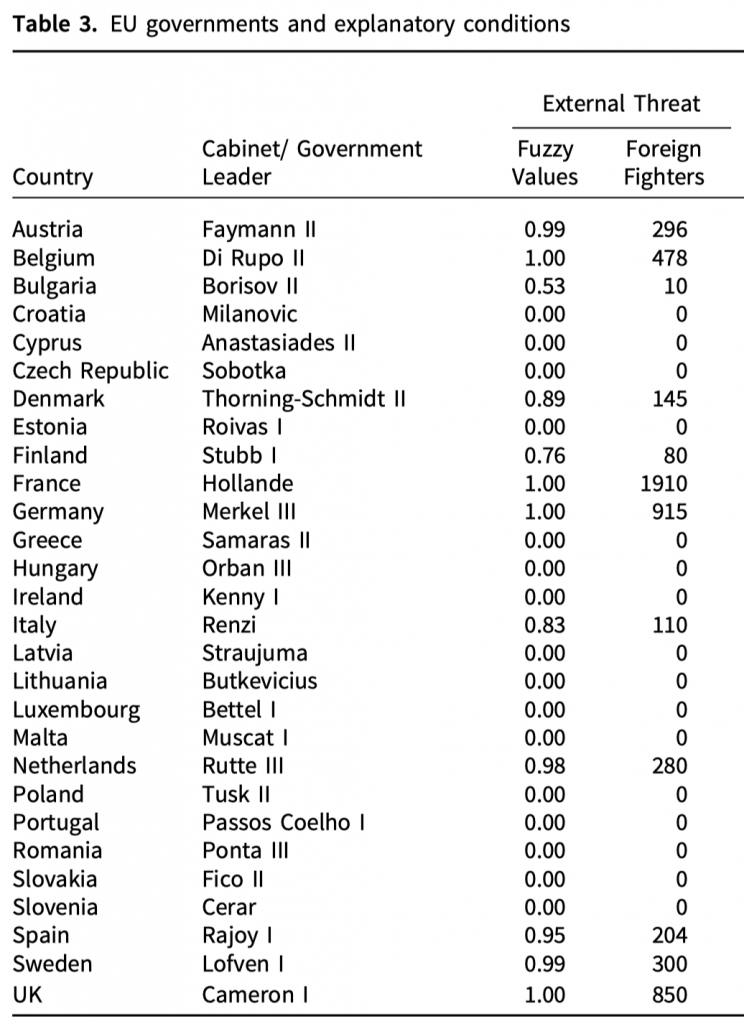
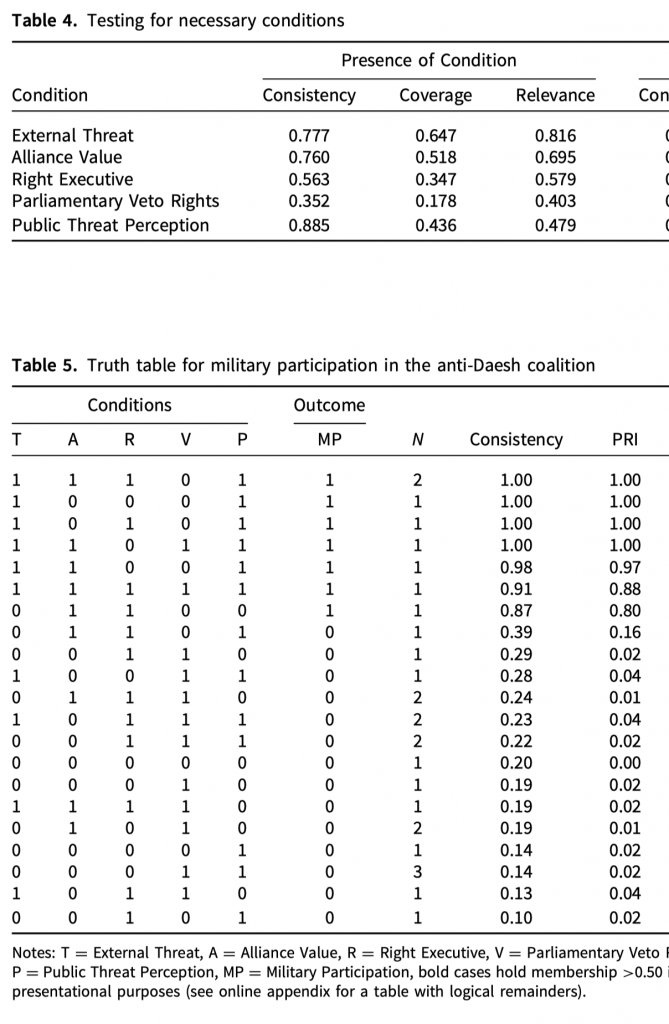
    The European Political Science Review issued a correction for the article “Incentives and Constraints: A Configurational Explanation of European Involvement in the Anti-Daesh Coalition“, originally published on February 24, 2022. The original publication contained erroneous illustrations. The correct versions of Table 1, Table 3, Table 4, and Table 5 are entailed in the corrigendum.